
Hail damage claims: what homeowners need to know
Hail is one of the most common — and most misunderstood — causes of roof insurance claims. Not every hailstorm causes damage, and not every claim gets approved. Understanding how carriers and adjusters actually evaluate hail events can help homeowners avoid costly mistakes and make sure they're compensated for everything that was actually damaged.
Damage has to be verifiable
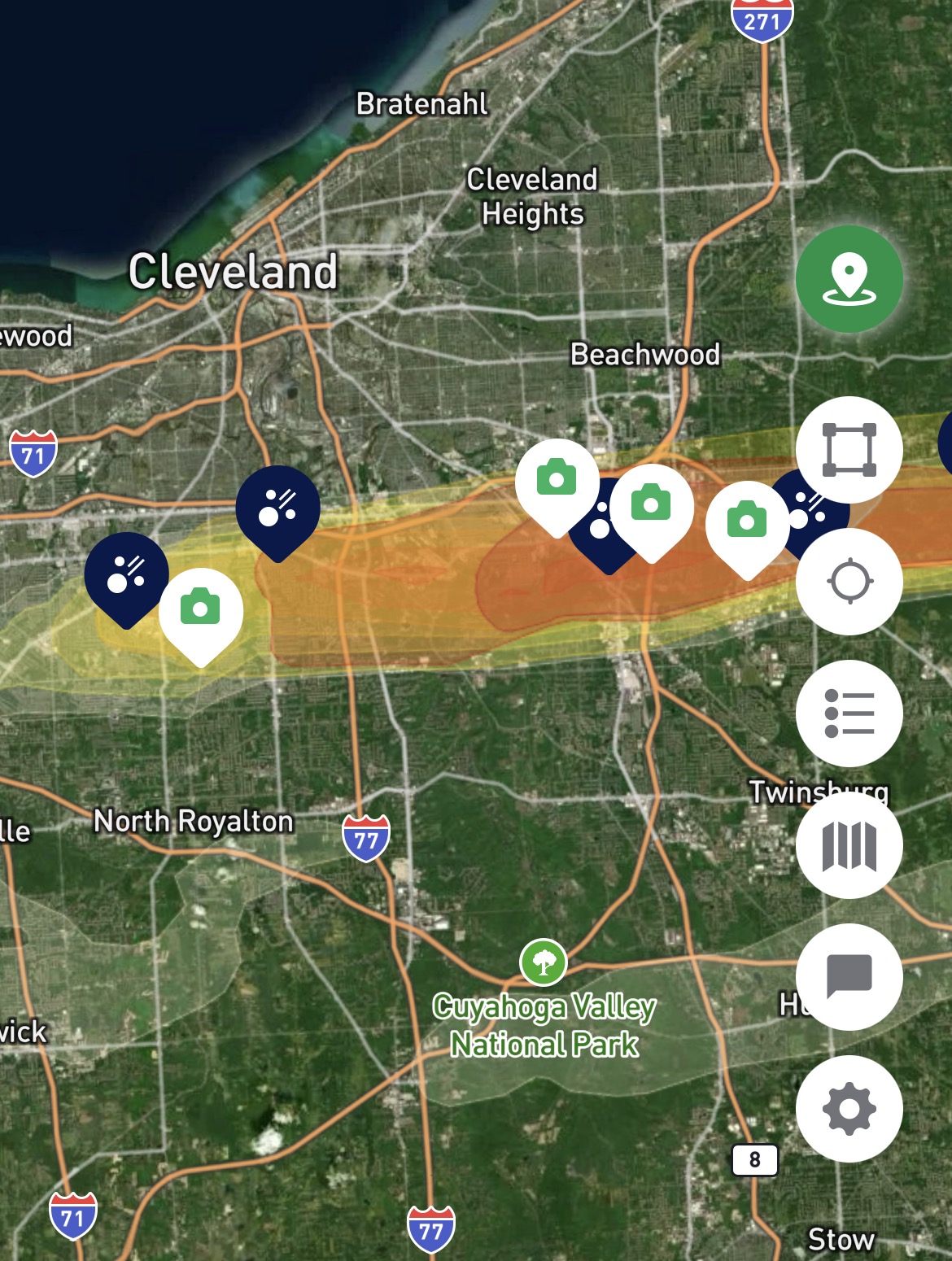
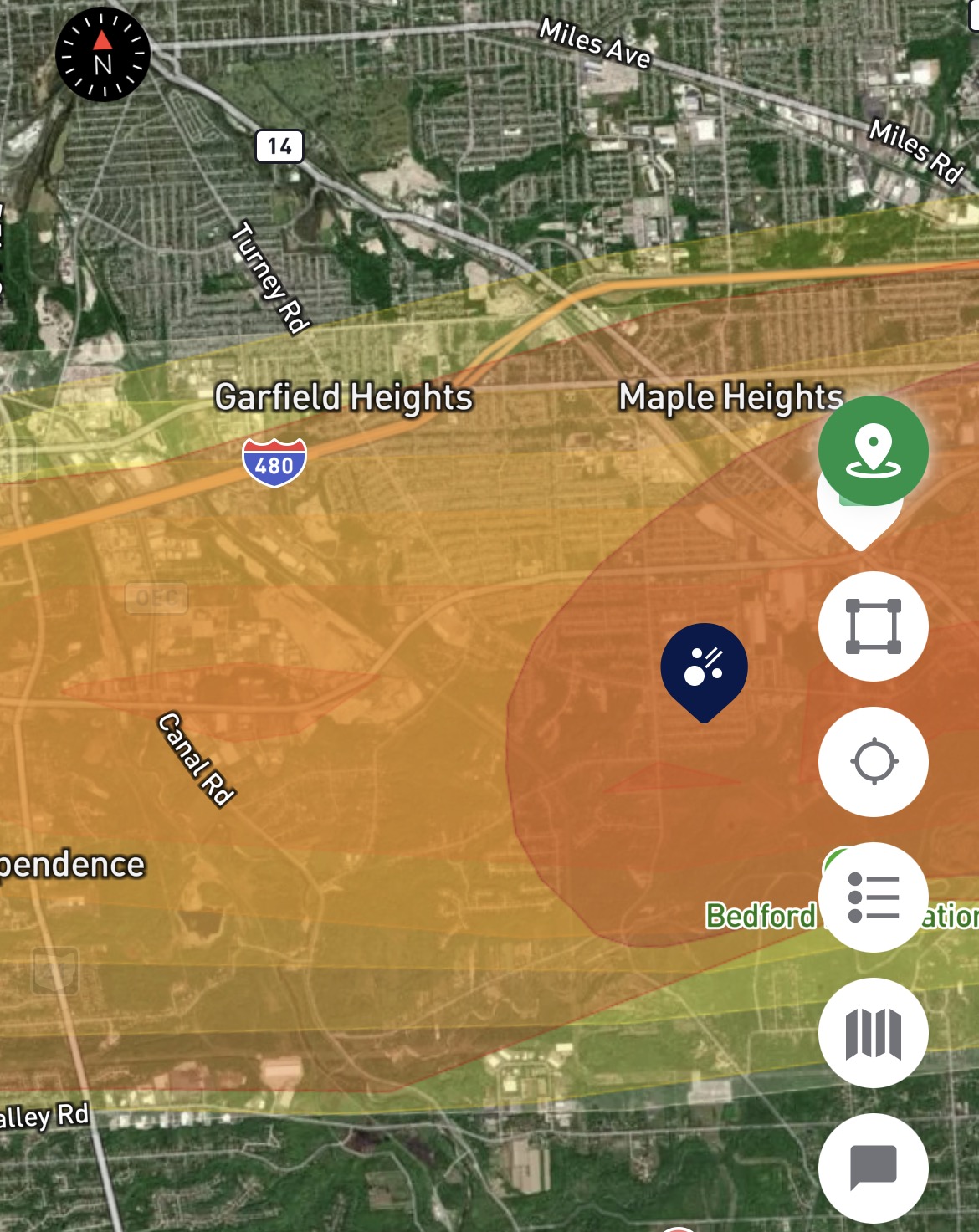
A hail claim isn't just about proving that hail fell in your area — it's about proving that hail damaged your property. Adjusters rely on verifiable evidence: storm reports, hail size data for your specific address, and physical inspection of the roof, gutters, siding, and other exposed surfaces. Without documented, mappable evidence tying a storm event to physical damage, a claim is far more likely to be denied or reduced.
Here's what that verification looks like in practice — a real hail swath map from a storm that hit the greater Cleveland area on April 15, 2026. The colored bands represent modeled hail size, with the darker orange core marking the largest stones.
You have a window to file
Most insurance policies require hail claims to be filed within 12 months of the storm event. This varies by carrier and state, so it's worth checking your specific policy — but as a general rule, waiting too long after a storm can jeopardize your ability to file at all, even if the damage is real and significant.
Size matters — but it's not the whole story
- Under 1 inch — damage is rare.
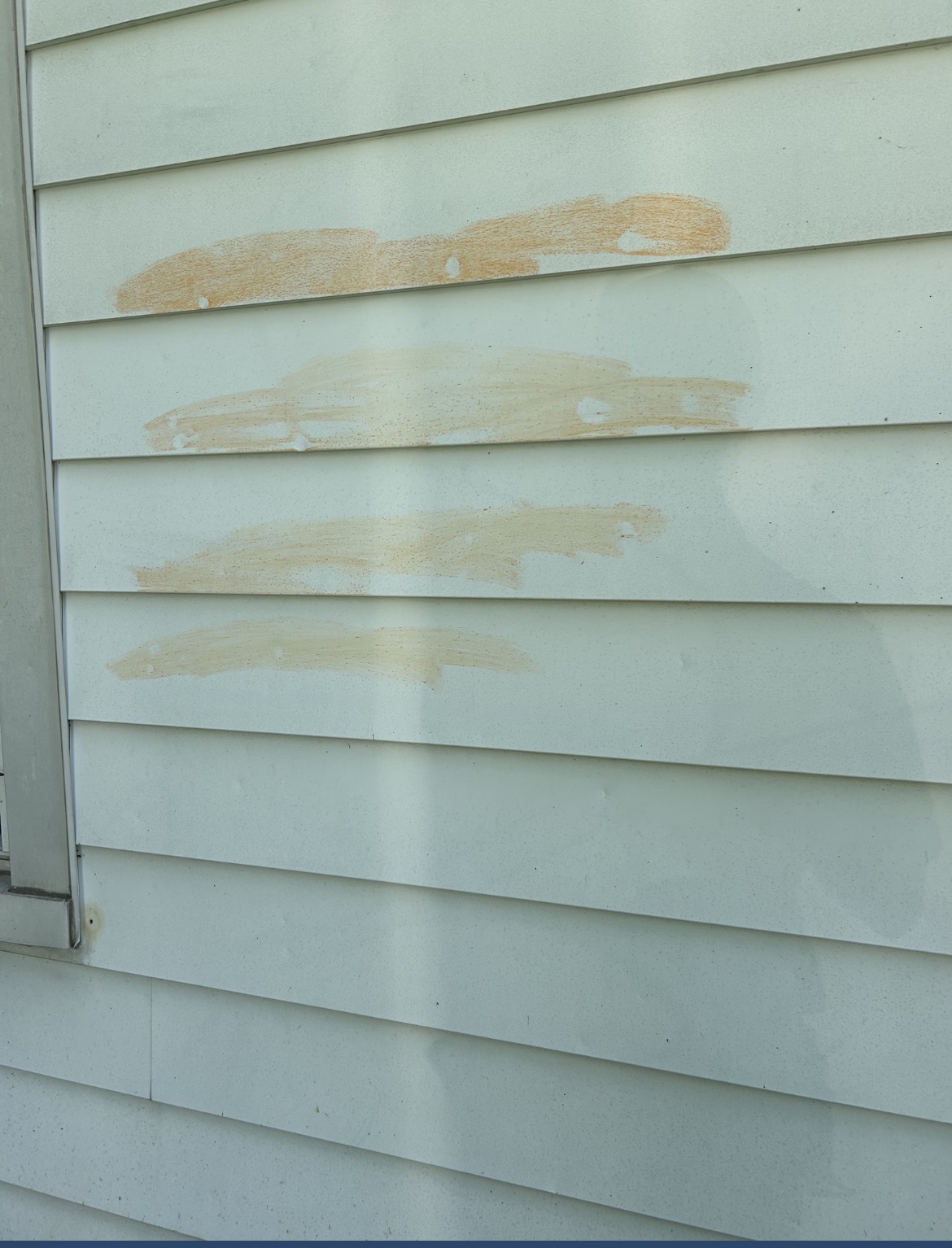
- 1 to 3 inches — damage is possible. This range varies the most, and a professional inspection will give homeowners the clearest answer.
- Over 3 inches — almost always causes damage, given the mass and velocity involved.
Duration matters almost as much as size
A storm doesn't need giant hailstones to cause serious damage. The length of time a roof is exposed to hail impact is a major factor. One minute of 3-inch hail and five minutes of 1.5-inch hail can produce comparable damage, because the cumulative number of impacts — not just the size of each stone — is what wears down and cracks roofing materials.
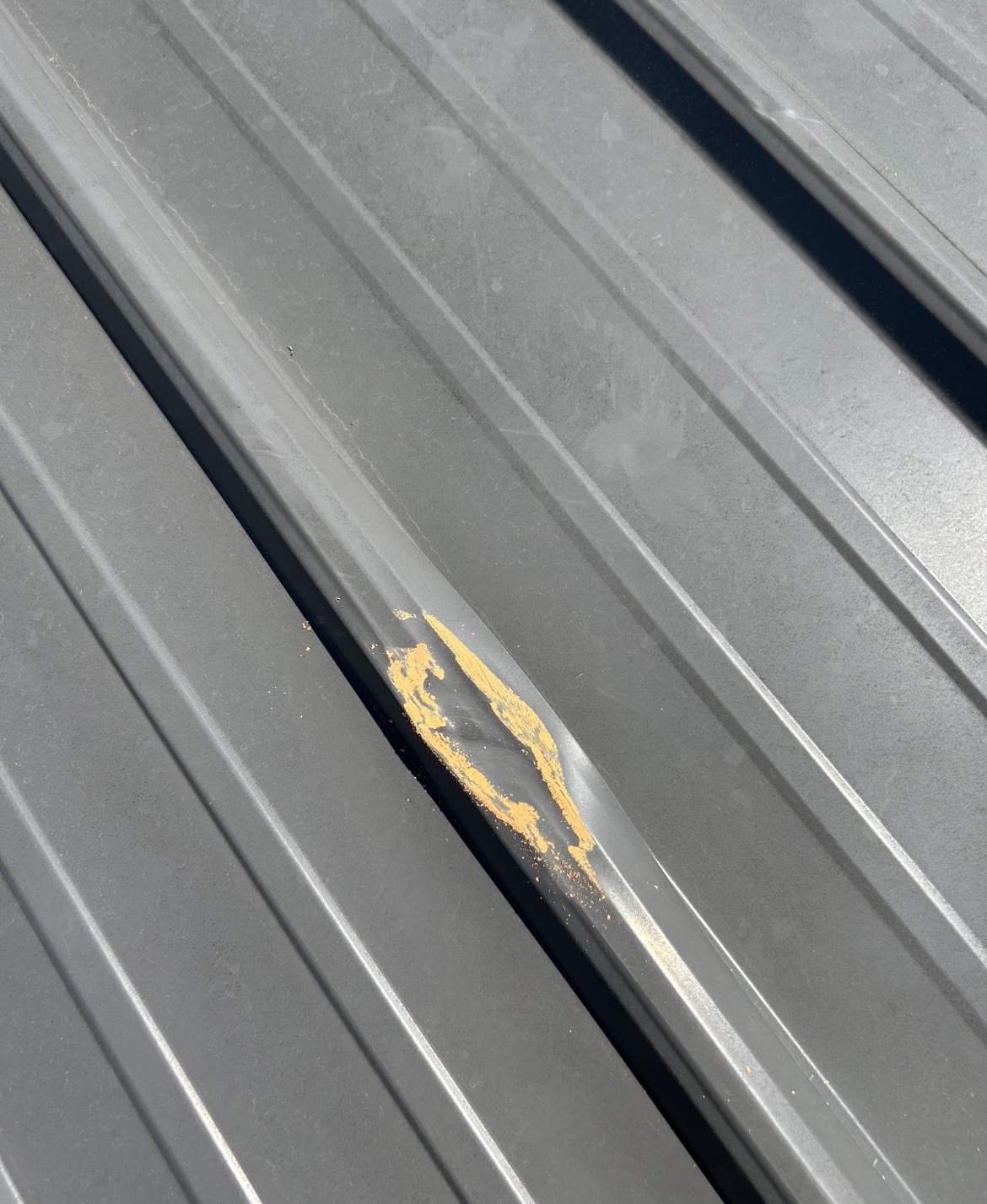
The two photos below show large hail impacts on two very different roofing materials — a standing seam metal roof and a dimensional asphalt shingle roof, only four years old.

Hail hits more than the roof
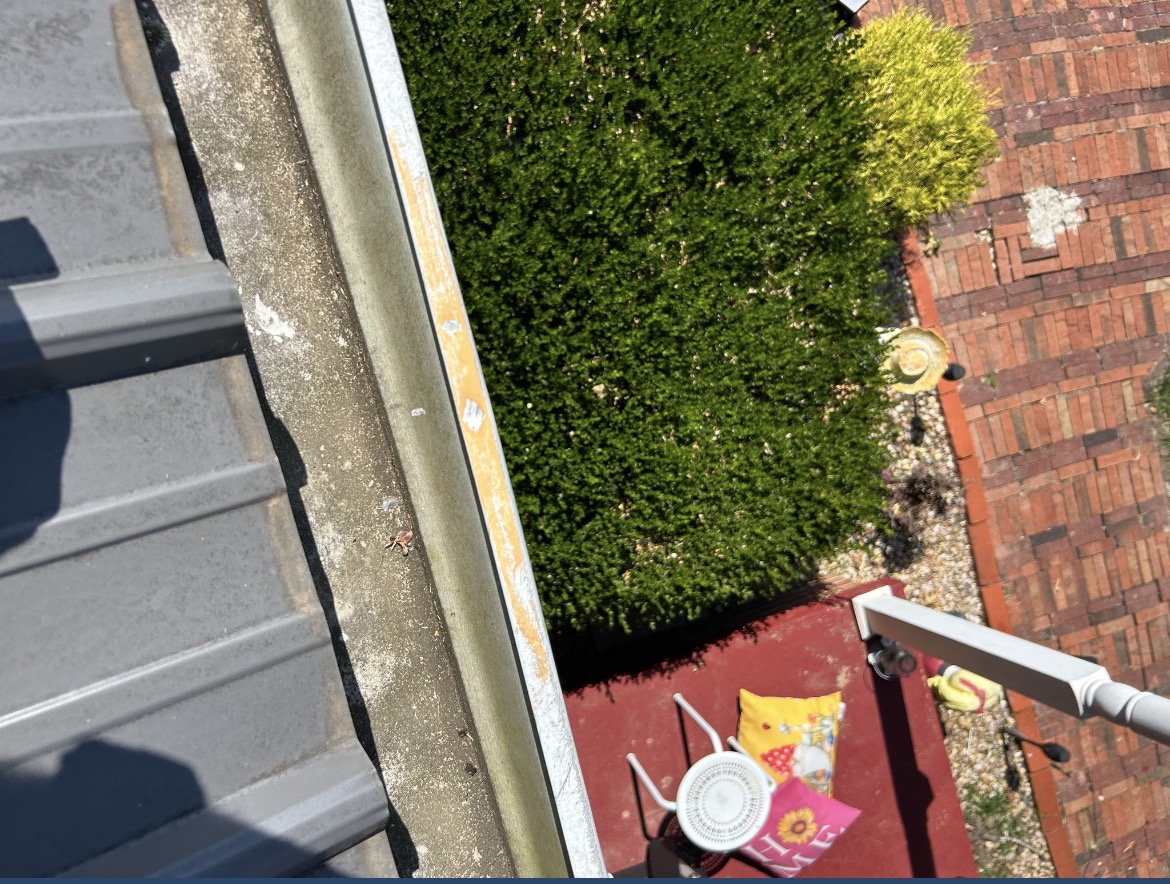
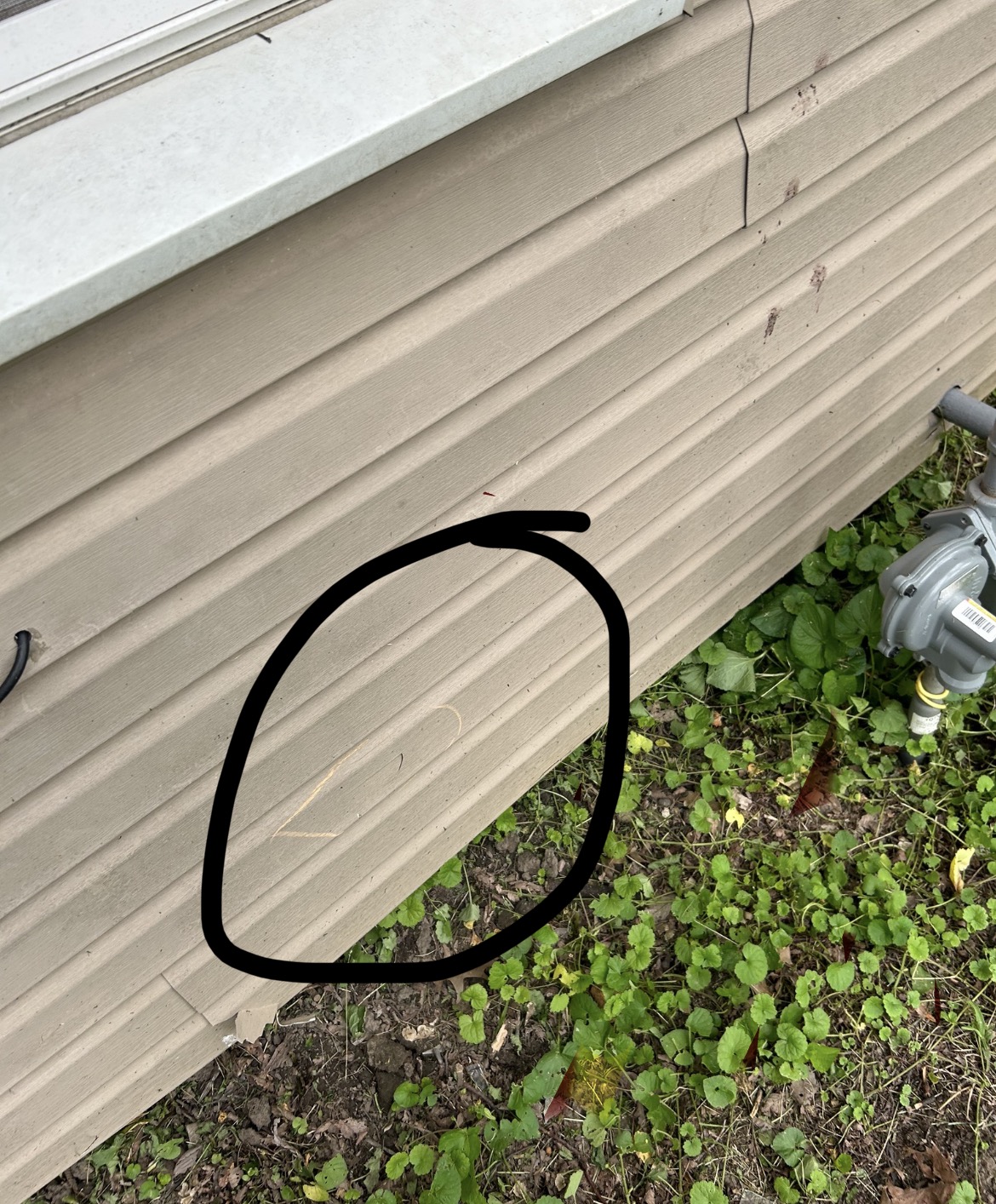
Unlike wind damage, which is typically concentrated on the roof, hail commonly damages multiple parts of a home at once: gutters, fascia, windows, and siding are all frequent casualties of a hailstorm. This is one of the most overlooked aspects of the claims process — homeowners, and even some adjusters, focus on the roof and miss damage elsewhere on the property.
Hail-rated shingles are becoming the standard
Many shingle manufacturers now produce impact-resistant, hail-rated shingles, and some states require Class 3 or Class 4 impact-resistance ratings for roof replacements in hail-prone areas. These ratings, tested under UL 2218, measure how well a shingle withstands impact without cracking.
Ask about insurance discounts for impact-resistant roofing
Carriers including State Farm and Allstate now offer ongoing monthly premium discounts to homeowners who install hail-rated shingles. To claim this discount, your insurance provider will typically need documentation of the exact product installed.